
Car insurance in Switzerland
Clear advice, no unnecessary cover. Many people in Switzerland pay for car insurance they don’t fully understand — with cover they don’t need, or without the cover they actually do. I look at your situation and explain clearly, without jargon, which cover makes sense for you and which doesn’t.
Request a free consultation → Free initial consultation · Independent advice · No obligation
What your car insurance can cover
Third-party liability is compulsory. Everything else depends on your car, how you use it and how much protection you want. Some cover is only missed once something has gone wrong: bonus protection, parking damage or roadside assistance.
Compulsory in Switzerland. Covers injury and damage you cause to others.
✓ Compulsory in SwitzerlandPartial casco typically covers theft, glass, damage caused by animals and natural hazards. Full casco adds collision damage you cause yourself.
Covers everyone in the car if there’s an accident: disability, death and medical costs, depending on the policy.
Covers damage to your parked car caused by unknown third parties: dents, scratches or broken mirrors when no one is identified.
Helps protect your bonus level after an eligible claim, subject to your insurer’s terms.
Provides assistance and towing after a breakdown or accident, with geographical coverage depending on your policy.
Partial or full casco: which is right for you?
Covers damage to your car from external causes, regardless of who is driving.
Usually a better fit for cars that are a few years old or worth less. The premium is lower than for full casco.
Includes everything in partial casco plus damage you cause in a collision, crash, rollover or by driving into water.
Usually a better fit for new or higher-value cars. The deductible affects both your premium and what you pay if you make a claim.
Situations where the right cover makes a difference
These cases are hypothetical examples for illustration only. Actual cover depends on each policy and insurer.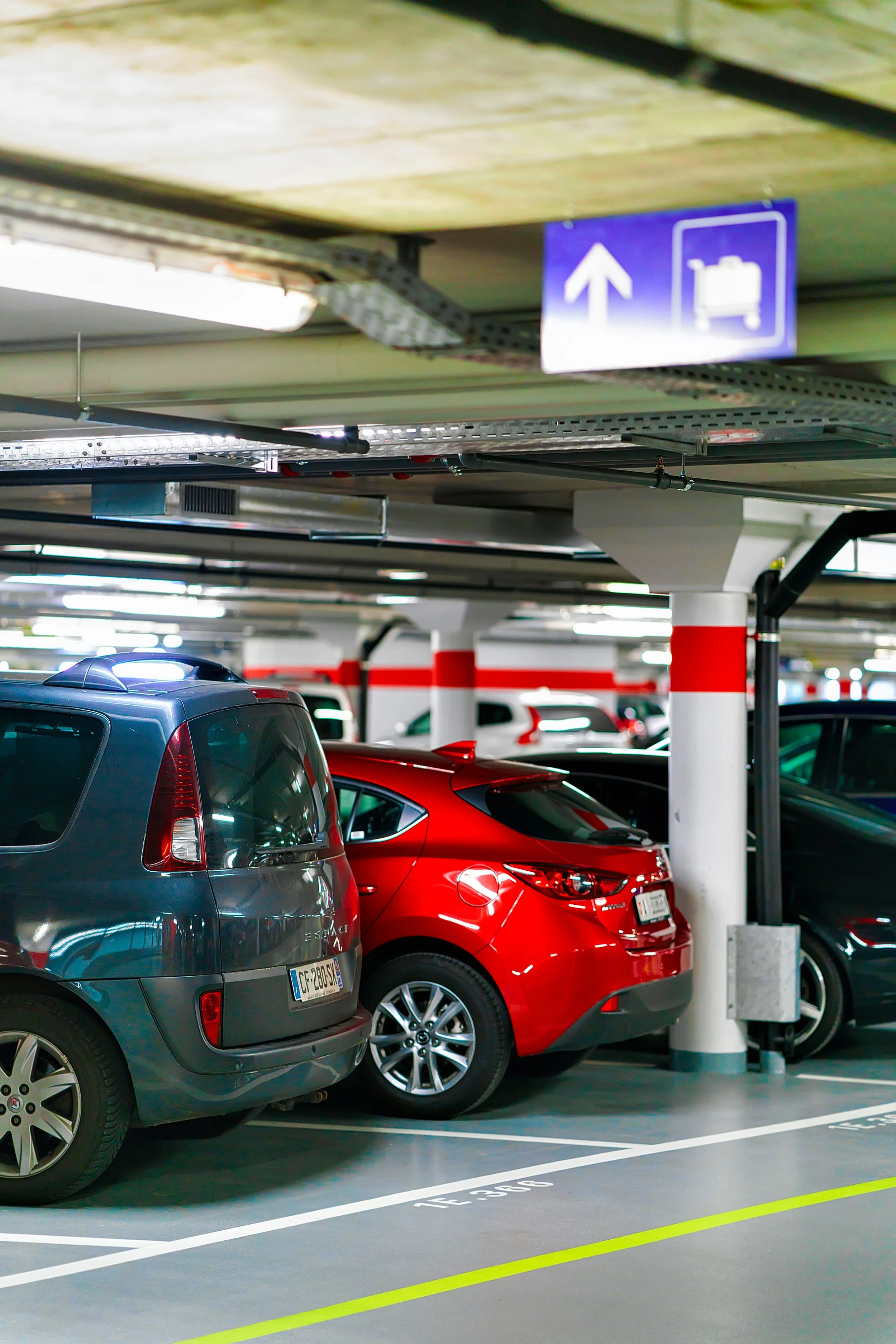
While pulling out of a car park, she scrapes her neighbour’s car. Both cars have a deep scratch. The damage to the other car comes to more than CHF 2,000.
Third-party liability covers the damage to the neighbour’s car. But damage to her own car is only covered by full casco. With liability cover alone, Sandra pays for her own repair.
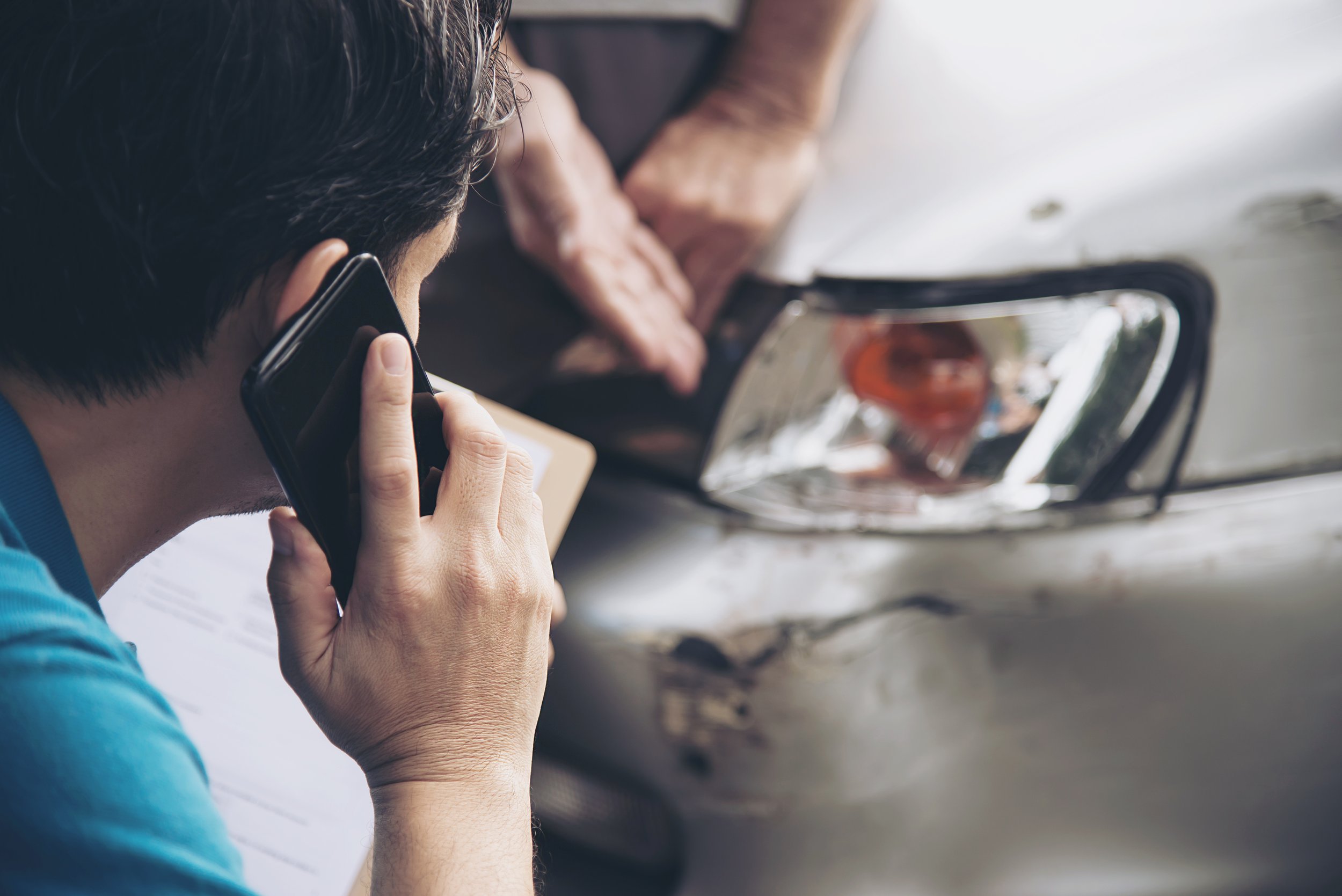
He comes back to his car and finds a large dent in the bumper. No one has left a note and there are no cameras. The repair costs CHF 800.
With parking damage cover, the insurer pays for the repair. Without it, Alejandro pays the CHF 800 himself, even though it wasn’t his fault.
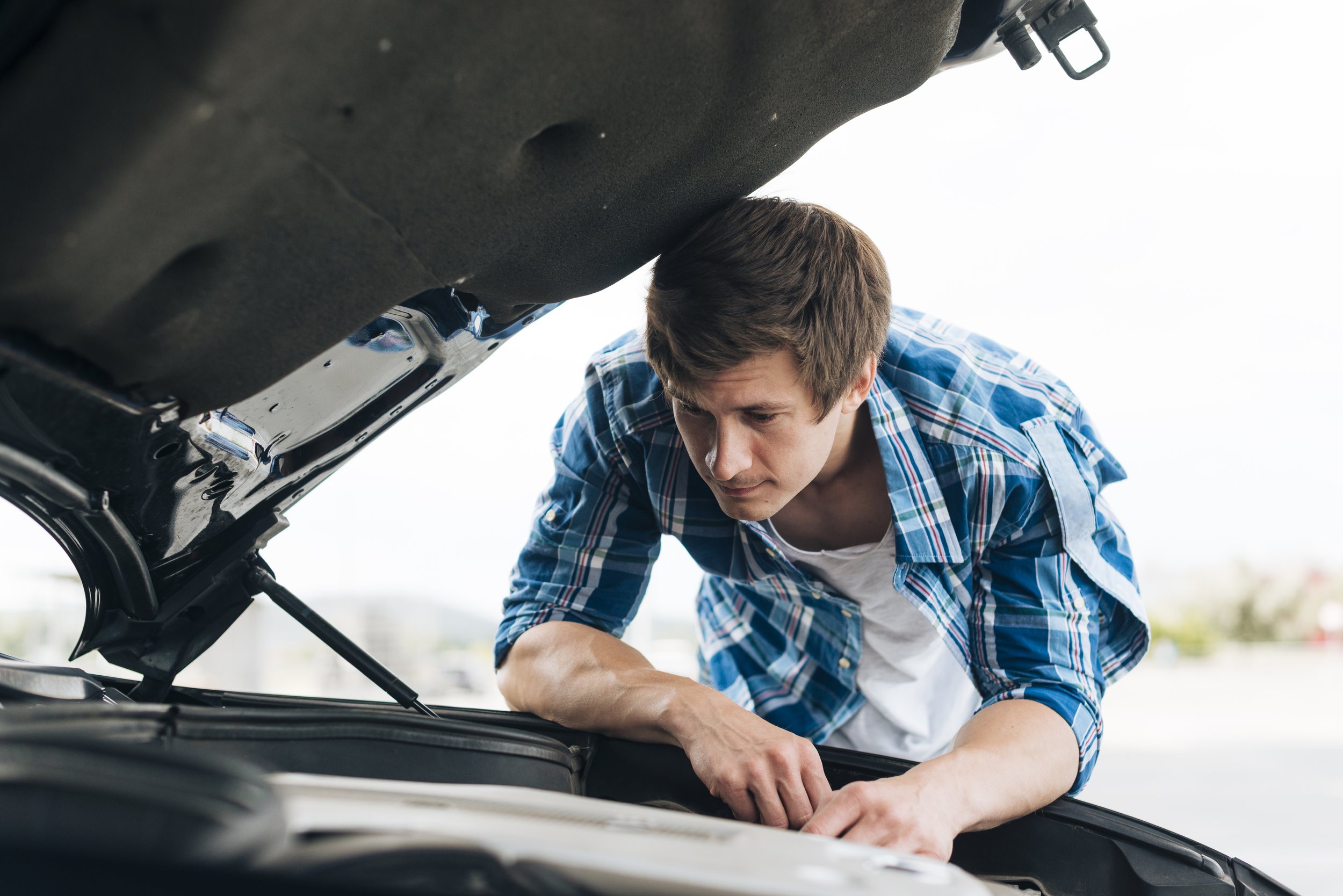
One morning, his car won’t start. Overnight, an animal has chewed through several engine cables and the car can’t be driven.
Partial casco covers damage caused by animals. Roadside assistance tows the car, the garage repairs it and the insurer covers the cost. Without casco cover, Jorge pays for everything.
The most common mistake: choosing on price alone
And finding out what was missing only after something has happened. I’ve seen the same patterns for years.
How I help you choose the right car insurance
You don’t need to know the Swiss insurance system. In one conversation, I’ll tell you what you need to know to make an informed decision.

Is car insurance compulsory in Switzerland?
Yes, third-party liability is compulsory. Without it, you can’t register or drive your car. But liability only covers damage to others, not to your own car. Anything you want covered on your own vehicle — damage, theft, breakdowns, accidents — requires additional cover.
What’s the difference between partial and full casco?
Partial casco covers damage you don’t cause: theft, hail, glass, martens and, depending on the policy, vandalism. Full casco adds damage you do cause in a collision. For a new or higher-value car, full casco is usually worth it. In many cases, the difference in premium is smaller than it seems.
What is the bonus level and how does it affect my premium?
Your bonus level reflects your claims history: the fewer claims, the lower the percentage of the base premium you pay. Certain claims can affect your bonus level and increase your premium for several years, depending on your insurer’s rules and the cover you have. Bonus protection can help prevent this — if you’ve been claim-free for years, protecting that level can make a lot of sense.
Where is Swiss car insurance valid?
It’s usually valid in Switzerland, the EU, the EEA and Andorra. If you travel to European countries outside these areas — such as some Balkan countries — check your insurance certificate (green card) before you leave. Always review your policy’s exclusions if you’re planning a long road trip.
What is the deductible and how do I choose it?
The deductible is the amount you pay yourself on a claim before the insurer covers the rest. The key point: if your deductible is CHF 500 and the damage is CHF 600, reporting it is hardly worth it. Choosing it well — in relation to your premium and how you use your car — makes a real difference to your total cost.
Am I covered if someone else drives my car?
It depends on the policy. If other people drive your car regularly, it’s worth checking before you sign: not all cover works the same way in those cases, and there may be restrictions depending on who is driving and when.
Do I need a car registered in Switzerland to take out insurance?
The insurance is linked to a vehicle registered in Switzerland. If you’ve just arrived and are thinking of buying a car, I can advise you on which cover to take out from day one and how to transfer your claims history from another country, if you have one.
Already insured in Switzerland, or about to take out car insurance?
In one conversation, I’ll help you see which cover really makes sense for your car, how you use it and your claims history. No jargon, no unnecessary small print.